PILA 2026
Personal Intelligence in the Agentic AI Era

Monday, 10 August · 08:30–12:05 KST · Halla B, Jeju Island, Republic of Korea

About the Workshop

PILA ’26 (Personal Intelligence in the Agentic AI Era) brings together researchers and practitioners working on personalized agents, user modeling, and human-centered AI. As the first dedicated workshop on this theme, PILA ’26 focuses on personal intelligence in the era of agentic AI. It explores how AI systems can move beyond general-purpose models toward systems that explicitly model individual users and adapt through memory, interaction, and continual learning.

Topics include user modeling and personalized alignment, self-evolving memory and continual learning, benchmarks, datasets, and evaluation, real-world applications, and privacy, safety, and trustworthiness for user-adaptive systems. The workshop takes place in person on the morning of Monday, 10 August 2026, at Halla B, Jeju Island, Republic of Korea, co-located with ACM SIGKDD KDD 2026. With both a vibrant academic setting and a beautiful natural environment, PILA ’26 offers an excellent opportunity for focused discussion and exchange.

Schedule

Time Session
08:30–08:40 Opening Remarks
08:40–09:15 Invited Talk I: Personalization in the Agentic AI Era: Opportunities and Challenges
— James Caverlee (Texas A&M University)
09:15–09:30 Personalize-then-Store: Benchmarking and Learning Personalized Memory for Long-Horizon Agents — Yeonjun In
09:30–10:00 Coffee break (official KDD break)
10:00–10:35 Invited Talk II: From Personalized Recommendation to Agentic Personal Intelligence
— Yinglong Xia (Meta)
10:35–11:10 Invited Talk III: Towards Personalized AI Agents: From User Understanding to Aligned Behavior
— Dongha Lee (Yonsei University)
11:10–11:25 Auditable Personal Memory for User-Adaptive Agents — Marcel Osmond
11:25–11:40 Toward User-Conditioned Evaluation of Personal LLM Agents under Temporal Interventions — Pin Qian
11:40–11:55 Agentic Retrieval-Enrichment for Context-Aware Generative Recommendation — Minkun Zhao
11:55–12:00 Best Paper Award Announcement
12:00–12:05 Closing Remarks

Invited Speakers

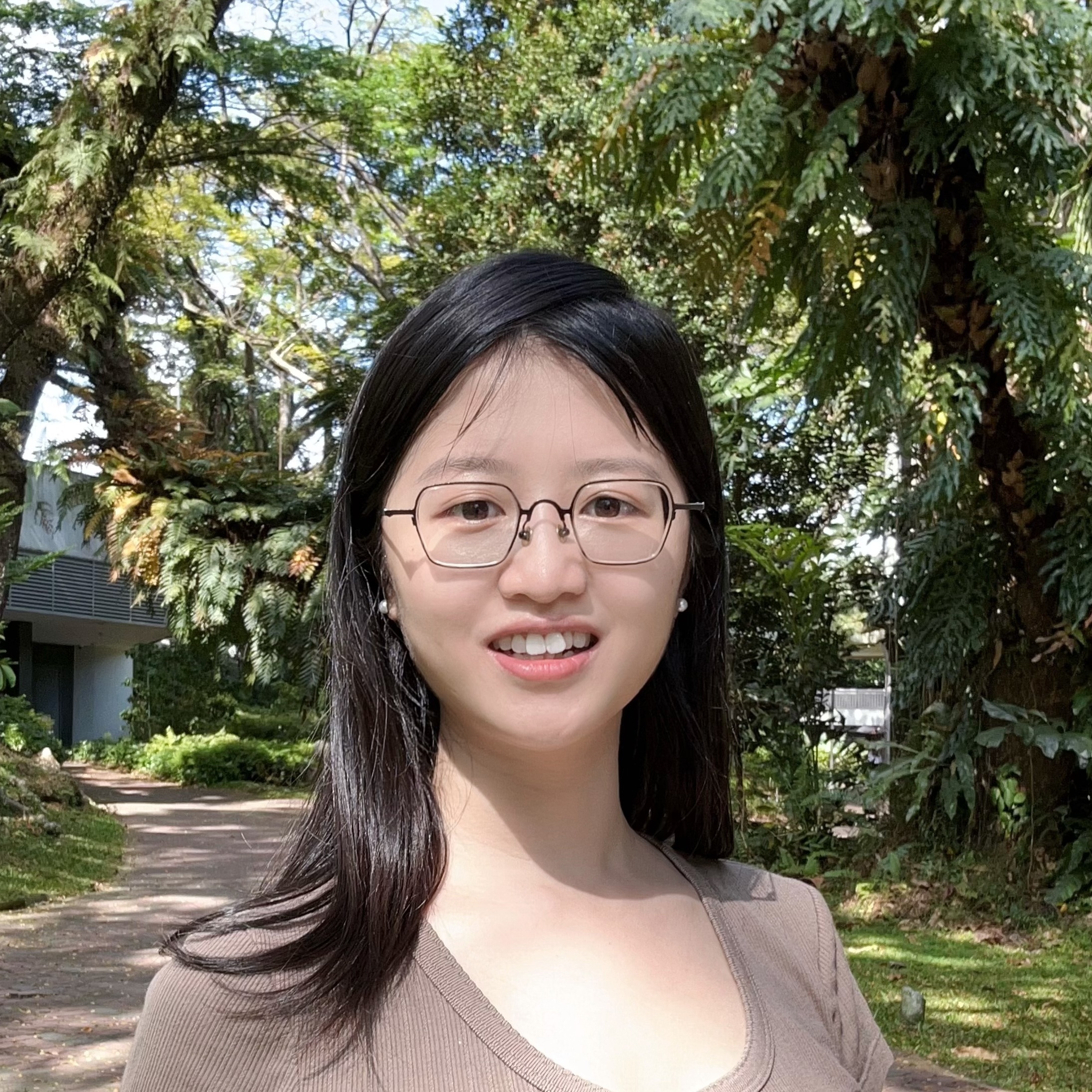
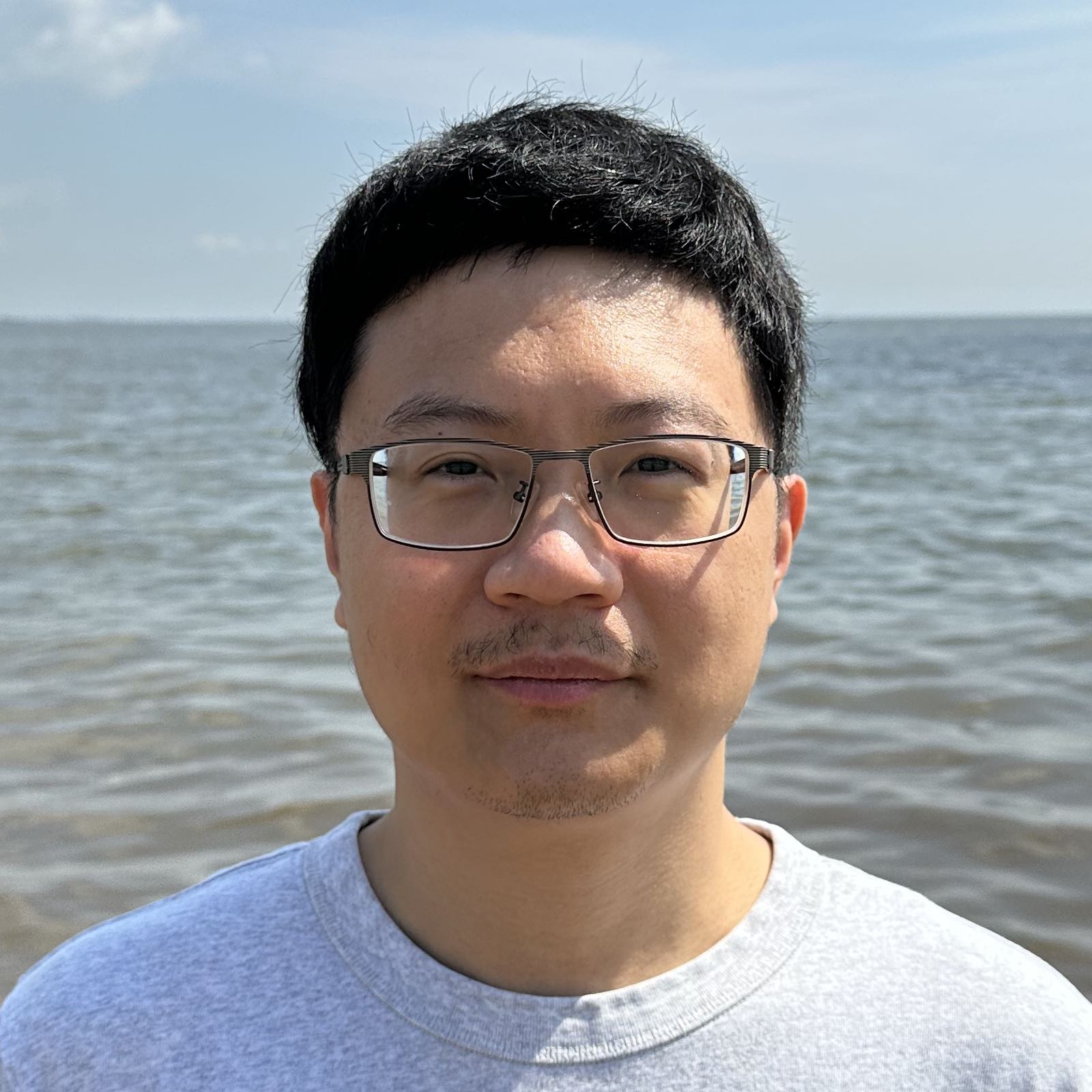
Portrait of James Caverlee Keynote Speaker
Invited speaker

James Caverlee

Texas A&M University

Title

Personalization in the Agentic AI Era: Opportunities and Challenges

Abstract

For decades, the data mining community has viewed personalization through the lens of collaborative filtering and predictive behavioral models. Today, we are witnessing a fundamental shift where agentic AI systems promise to not just predict user intent, but to actively reason, plan, and create on our behalf. Instead of merely reinforcing our existing habits, these new approaches promise to surface insights we are blind to, guiding us toward discoveries that advance our personal journeys in new and unexpected ways. But are we truly on the verge of agent-driven super-intelligent personalization? In this talk, I will identify opportunities and challenges to this vision, drawing on recent findings in multi-modal and speech foundation models.

Bio

James Caverlee is a Professor in the Department of Computer Science and Engineering at Texas A&M University. His research focuses on personalization, efficiency, and AI risks in domains like LLMs, recommender systems, conversational systems, and speech. His work has been supported by an NSF CAREER award, an AFOSR Young Investigator Award, a DARPA Young Faculty Award, and grants from Google, Amazon, AFOSR, DARPA, and the NSF. He received the 2022 SIGIR Test of Time Award Honorable Mention, the 2020 CIKM Test of Time Award, plus several departmental and college-level teaching awards.

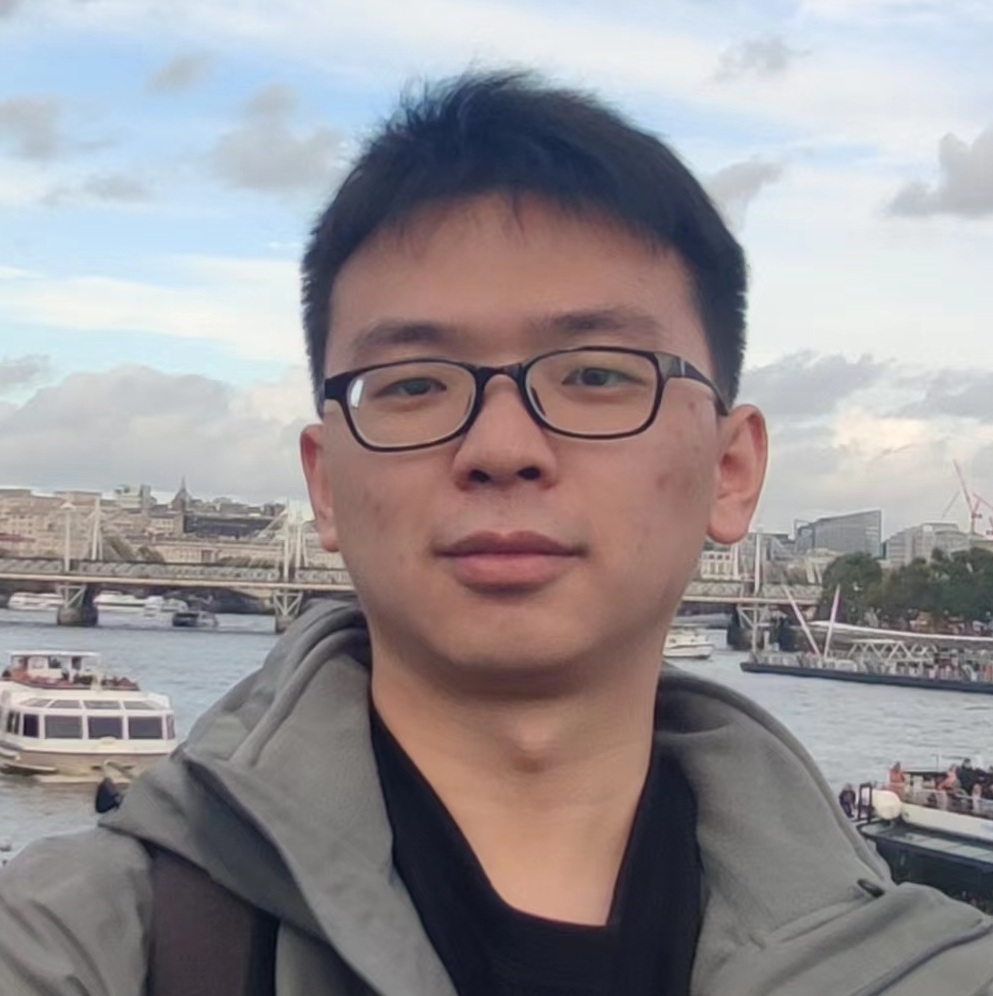
Portrait of Yinglong Xia Keynote Speaker
Invited speaker

Yinglong Xia

Meta

Title

From Personalized Recommendation to Agentic Personal Intelligence

Abstract

Recommendation systems have evolved from predicting the next click to understanding users’ goals, context, and preferences. This talk explores the emerging paradigm of agentic personal intelligence: systems that do more than recommend by combining persistent yet controllable memory, verifiable multi-step reasoning, and continuous adaptation through interaction and feedback. We will trace the path from graph-based and generative recommendation to personal agents, highlighting advances in structured user memory, semantic item representations, reasoning verification, simulation, and efficient personalization at billion-user scale. The talk will also examine the open challenges ahead, including trust, privacy, user agency, and evaluating systems that learn and evolve alongside the people they serve.

Bio

Yinglong Xia is an Applied Research Scientist at Meta Recommendation System (MRS), Meta Platforms, where he focuses on advancing research and development in personalized recommendation models using advanced AI techniques, driving innovation and delivering product solutions. Prior to that, he was a chief architect at Futurewei on Enterprise AI, and a Research Staff Member at IBM T.J. Watson Research Center. He published 100+ technical papers and filed 40+ patents, serving as an AE for IEEE TBD, an ADS area chair at KDD 2026, an industry co-chair of CIKM 2024, and an industry co-chair of WSDM 2026.

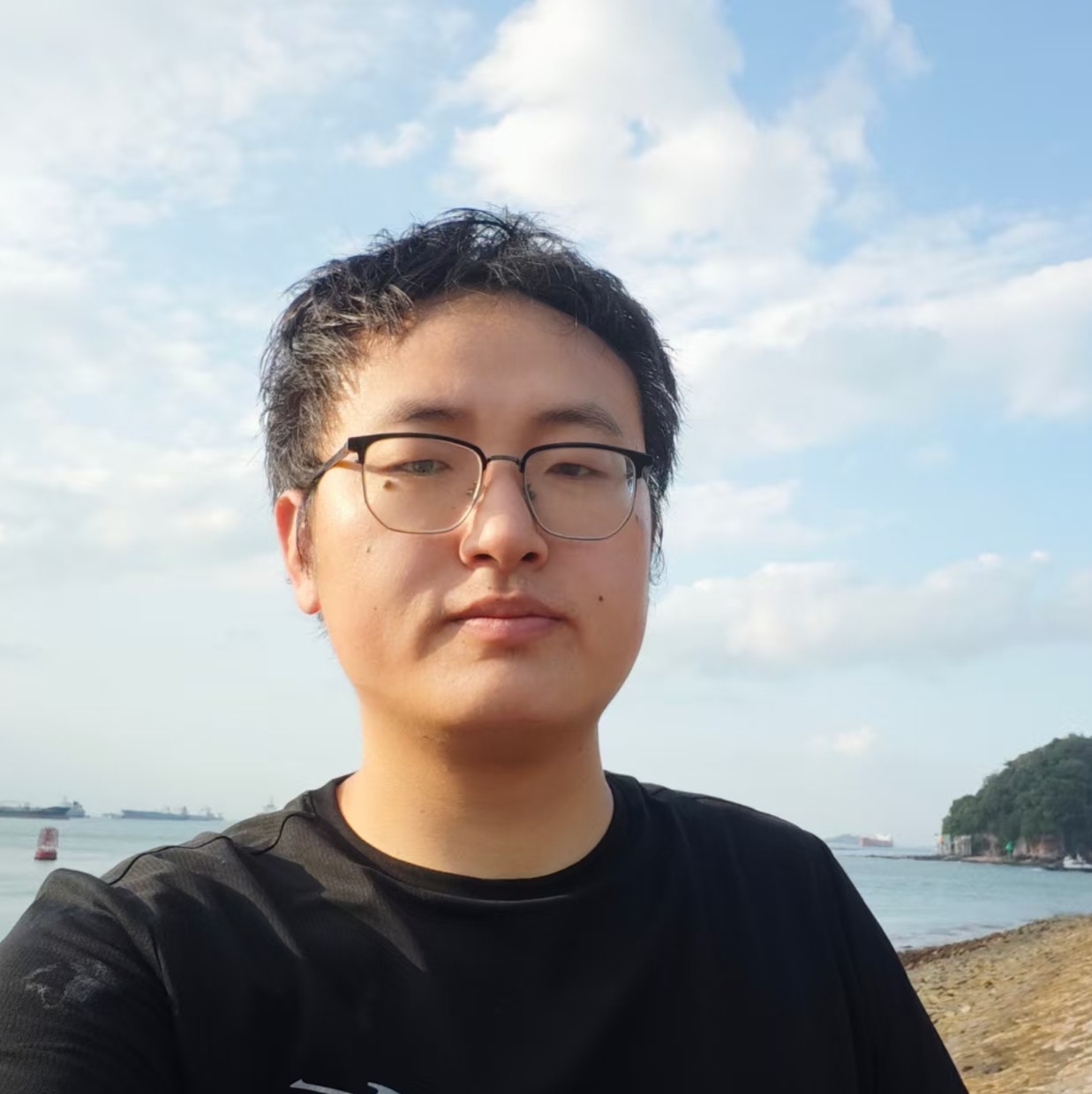
Portrait of Dongha Lee Keynote Speaker
Invited speaker

Dongha Lee

Yonsei University

Title

Towards Personalized AI Agents: From User Understanding to Aligned Behavior

Abstract

As AI systems are used by increasingly diverse users, tailoring their responses, decisions, and actions to each individual has become a central challenge for personalized AI. This talk presents our recent efforts toward personalized AI that span the full pipeline. We start from benchmarking personalized behaviors across realistic tasks such as search, shopping, recommendation, and web navigation, then move to modeling user preferences and memory from rich interaction history, and finally to optimizing model behavior with user-specific rewards. Throughout, we discuss how large language models turn these ideas into real-world web and information-retrieval applications, and share empirical studies on how personalized user understanding shapes the evaluation and design of practical AI systems.

Bio

Dongha Lee is an Assistant Professor in the Department of Artificial Intelligence at Yonsei University. Before joining Yonsei, he was a postdoctoral researcher at the University of Illinois at Urbana-Champaign. His research centers on personalized AI, large language models, and information retrieval. He is also the CEO of ParamitaAI, where he works on bringing AI agents into real-world industrial settings and driving their practical adoption.

Accepted Papers

Accepted contributions to PILA ’26.

    Call for Papers — Closed

    Submissions to PILA ’26 are closed. The information below is retained for reference.

    Topics of Interest

    The call covered topics including, but not limited to, the following:

    (1) Personalized Agents and User Modeling

    Methods for building robust user models in personal AI systems, including preference modeling, profile alignment, behavior understanding, personalization under uncertainty, and long-horizon modeling of evolving user needs and context.

    (2) Memory, Retrieval, and Knowledge Integration

    Memory architectures and retrieval strategies for personal intelligence, including episodic and semantic memory, context management, knowledge integration, and retrieval-generation pipelines that support reliable long-term adaptation.

    (3) Adaptive Planning and Tool Use

    Adaptive planning, tool use, and agent control for personalized systems, including tool routing, multi-agent coordination, self-correction, and decision-making for dynamic real-world tasks centered on individual users.

    (4) Evaluation, Alignment, and Safety

    Evaluation frameworks, alignment objectives, interpretability, controllability, and safety mechanisms for personal intelligence, especially those that reflect meaningful user outcomes beyond standard proxy metrics.

    (5) Privacy, Deployment, and Human–AI Interaction

    Privacy-preserving personalization, on-device and federated approaches, real-world deployment challenges, interaction design, and lessons from building and evaluating user-adaptive AI systems in practice.

    Submission Information (Archived)

    Important Dates
    • Abstract submission deadline 19 May 2026 (AOE)
    • Paper submission deadline 21 May 2026 (AOE)
    • Notification of acceptance 10 June 2026 (AOE)
    • Workshop 10 August 2026 (Jeju Time, GMT+9)

    Format. Submissions were required to be written in English and prepared using the ACM two-column conference proceedings format. Authors used ACM templates (also available on Overleaf). Submissions were 4–8 pages, excluding references and appendices.

    Review process. PILA ’26 followed a double-blind review process. Submitted manuscripts were anonymized and omitted author names, affiliations, acknowledgments, and other identifying information. Authors could include optional supplementary materials, while the main paper remained self-contained.

    Submission site. Papers were submitted via OpenReview.

    Publication policy. PILA ’26 follows a non-archival publication policy. Accepted papers do not appear in the ACM KDD 2026 main proceedings, and authors remain free to submit the same work to other conferences or journals.

    The program includes a Best Paper Award announcement at 11:55. Thank you to all authors who submitted to PILA ’26.